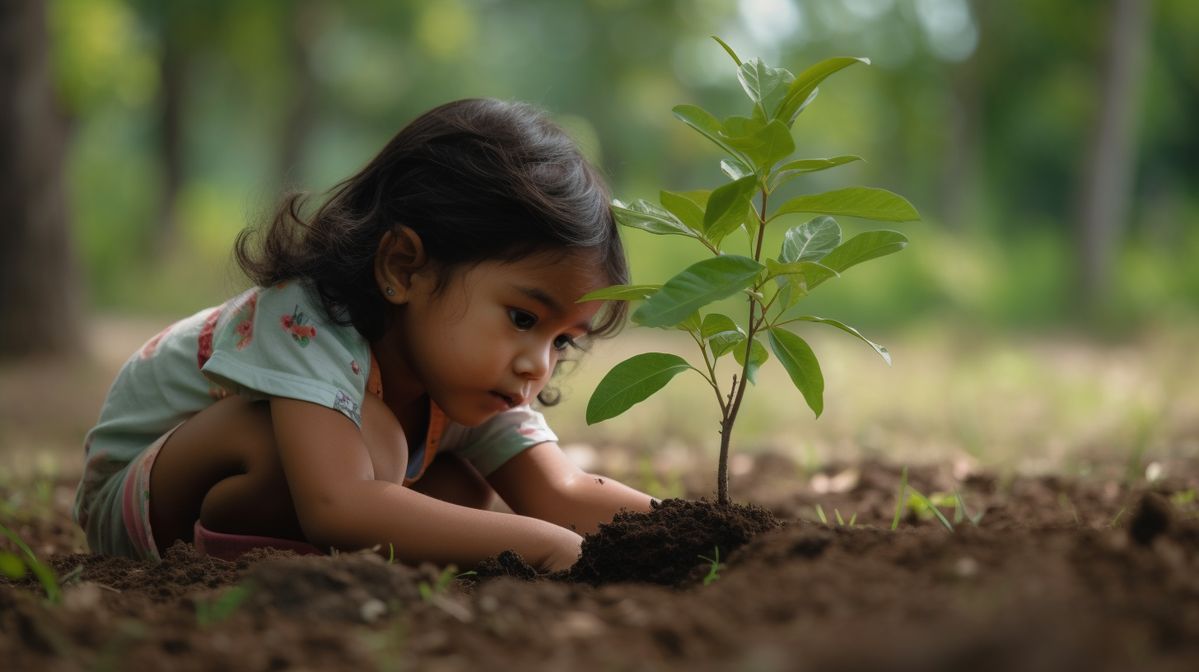
Fresh Tree Plantation
Fresh Tree Plantation Beyond the Seedling
https://www.greentnmission.com/lantation
A New Beginning: Why Every Fresh Tree Plantation Matters Now
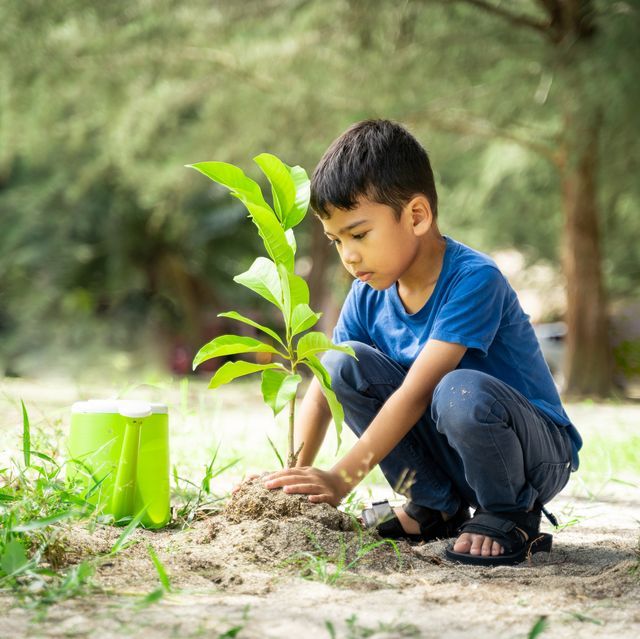
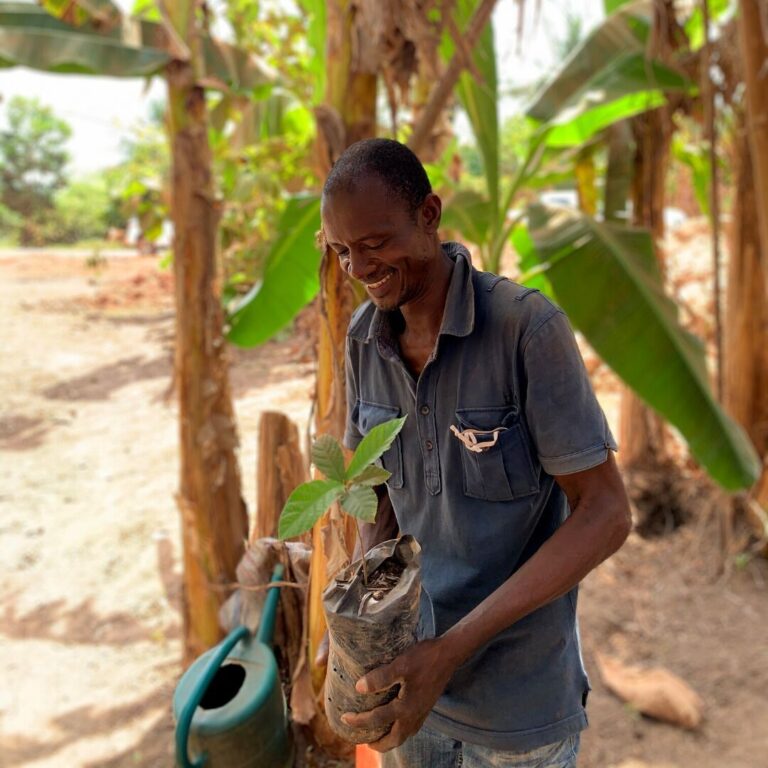
The air is crisp, the soil is ready, and in your hands rests a tiny, vibrant seedling. This isn’t just a stick of wood; it’s a living promise. When we talk about a fresh tree plantation, we are talking about more than just gardening; we are talking about initiating profound ecological and economic change.
This guide will take you through the entire journey, structured by the four pillars of sustainable action: excitement, education, transformation, and action. Get ready to turn your vision of green space into a tangible, thriving reality.
Excitement—The Thrill of the New Green Frontier
Impact
There is an undeniable thrill that comes with starting something new, especially when that something is a fresh tree plantation. It represents a clean slate, a powerful, direct investment in the future. Forget the slow, sometimes discouraging pace of established growth; a fresh planting bursts with potential energy.
Imagine the sheer impact of a thousand new roots spreading through compacted soil, loosening the earth, and inviting microbial life back into the ecosystem. This initial burst of activity is an immediate win.
- The optimism surrounding a fresh planting is infectious. It’s the feeling of seizing control, knowing that with every shovel-turn, you are reversing decades of neglect or degradation. The possibility of a healthy, productive forest canopy where only barren land stood is incredibly motivating.
- We must confront the undeniable pressure. Globally, our forests are under threat. The climate crisis is intensifying, and the vulnerability of our ecosystems is exposed daily. This makes the excitement of starting a fresh tree plantation a necessity, not just a hobby. We are planting not just for beauty, but for survival. The sobering reality of deforestation fuels our commitment and sharpens our focus.
This is your moment to be a pioneer. Feel the excitement of knowing your hands are actively building reshttps://unikartstores.com/wp-admin/post.php?post=67&action=elementor&active-document=368ilience.
Education—Mastering the Art of Establishment
A great plantation is built on great planning. The establishment phase is the most critical—a period where slight errors can have costly, long-term consequences. This is where education and precision replace guesswork. You must understand the science behind thriving growth.
The Site Assessment: Know Your Battlefield
Before planting a single sapling, conduct a rigorous site assessment:
- Soil Chemistry: What is your soil’s pH? Is it nutrient-deficient or waterlogged? A simple soil test is a non-negotiable step. Planting the wrong species into hostile soil is a tragic waste of time and resources.
- Microclimate: Analyze sun exposure, wind patterns, and local frost pockets. For instance, planting tall, wind-sensitive species without a shelterbelt is a recipe for disaster. Your plantation design must be site-specific.
Species Selection: The Right Tree for the Right Place
The success of your fresh tree plantation hinges on choosing species that are:
- Ecologically Compatible: Native species are often the most robust and require the least intervention. They support local insect and bird populations.
- Goal-Aligned: Are you planting for timber, fruit, erosion control, or carbon sequestration? A fast-growing carbon sink might not be a good long-term timber investment.
The Planting Technique: Simple Science, Massive Difference
The two most common reasons for early failure are poor root structure and insufficient initial watering.
- Root Integrity: Never plant a J-rooted or girdled sapling. Straighten those roots out! The root collar must be level with the surrounding soil. Planting too deep invites rot; planting too shallow exposes roots to drying.
- The Watering Bowl: After planting, create a small, circular berm of soil around the base to act as a basin. This ensures that when you water, the moisture sinks right down to the root ball, guaranteeing the sapling receives the hydration it desperately needs to anchor itself.
Education is the shield that protects your fresh tree plantation from the risks of ignorance and neglect.
Transformation—Watching the Vision Unfold
The magic of planting is that the investment of a single day begins a transformation that can last a century. This phase shifts your focus from the immediate tasks of planting to the long-term, systemic changes your fresh tree plantation facilitates.
The Soil Renaissance
Trees are the great healers of the soil. As their roots penetrate deep, they shatter hardpans and improve aeration. Leaf litter becomes organic matter, fueling the soil food web.
- This transformation creates a tangible legacy. You are actively increasing the soil’s fertility and water-holding capacity, making the land more resilient for future generations. It’s the satisfying knowledge that you have converted fragile, exposed ground into a thriving, complex matrix.
- The most frustrating aspect of this work is the element of time. The grand canopy you envision will not appear overnight. There will be seasons of slow, seemingly stagnant growth. Patience is not just a virtue here; it is an absolute requirement. The immediate gratification sought in modern life is denied by nature’s majestic, unhurried pace.
Systemic Change: Carbon and Climate
The greatest transformation of all is the invisible one: carbon sequestration. Every thriving tree in your fresh tree plantation is a microscopic worker, pulling $\text{CO}_2$ from the atmosphere and storing it. This is your personal contribution to climate mitigation.
This systemic transformation extends beyond carbon:
- Water Cycle Improvement: The trees help to regulate local rainfall patterns and reduce intense runoff, creating a healthier watershed.
- Microclimate Creation: Within a few years, your plantation will begin to create its own small, sheltered microclimate, protecting itself and adjacent areas from environmental extremes.
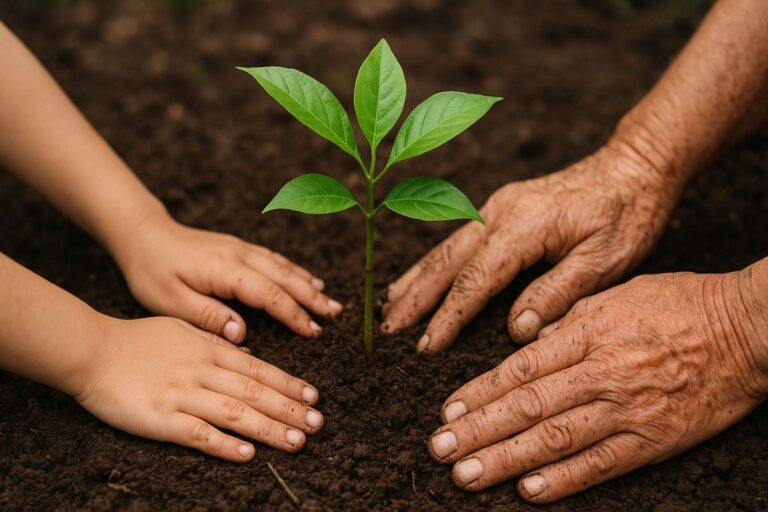
Your plantation is a testament to the power of slow, persistent growth, turning a small seedling into a powerful ecological legacy.
Securing Your Investment
The final pillar is action. Planting the tree is only the beginning; securing your investment through dedicated, consistent aftercare is what determines ultimate success. Your long-term dedication is the nutrient your young plantation needs most.
The Post-Planting Triage: The First Two Years
The first 24 months are the most precarious. Your action plan must be aggressive yet focused:
- Pest and Disease Monitoring: Regularly inspect your young trees. Small pest problems, if ignored, can become an unstoppable epidemic. Early intervention is key.
- Weed Suppression: Weeds compete fiercely for moisture and nutrients. They are the silent assassins of a young plantation. Mulching (using wood chips or straw) is the best, most sustainable action to suppress weeds and retain moisture.
- Formative Pruning: Where necessary, light pruning in the first year can guide the tree toward a strong central leader, ensuring future structural integrity and maximizing its value.
From Plot to Project
As your initial fresh tree plantation thrives, the final step is to think about scaling the impact. Can you partner with neighboring landowners? Can you incorporate diverse species (agroforestry) to add fruit or fodder income?
- Positive Sentiment: The financial security provided by a well-managed timber stand or a productive fruit orchard is a source of immense pride and financial stability. This transformation into a sustainable, income-generating asset is the ultimate reward for your hard work and dedication.
- Final Call to Action: Don’t wait for perfect conditions. Start small, start right, and start now. The future of our land and our climate depends on the millions of small, individual decisions to pick up a shovel and initiate a fresh tree plantation.
Take action. Your forest starts today.