Rural Livelihood Support Tree Plantation Program
Rural communities are vital to the growth and development of a nation
They produce food, preserve natural resources, and carry on traditional knowledge. However, many rural areas today struggle with severe issues such as poverty, unemployment, land degradation, climate change, water scarcity, and low agricultural output. In such difficult situations, the Rural Livelihood Support Tree Plantation Program offers a strong and meaningful solution that helps both the environment and the livelihoods of rural people.
This program helps farmers, communities, and villages to gain a stable income while restoring nature and combating climate change.
It combines tree planting, agroforestry, community awareness, and skill development to provide long-term opportunities for rural families to improve their lives.
Understanding the Rural Livelihood Support Tree Plantation Program
The Rural Livelihood Support Tree Plantation Program is a structured initiative aimed at empowering rural communities by planting trees that bring income, enhance land quality, and provide long-term economic benefits.
This program includes the following activities:
– Tree planting for rural livelihood development
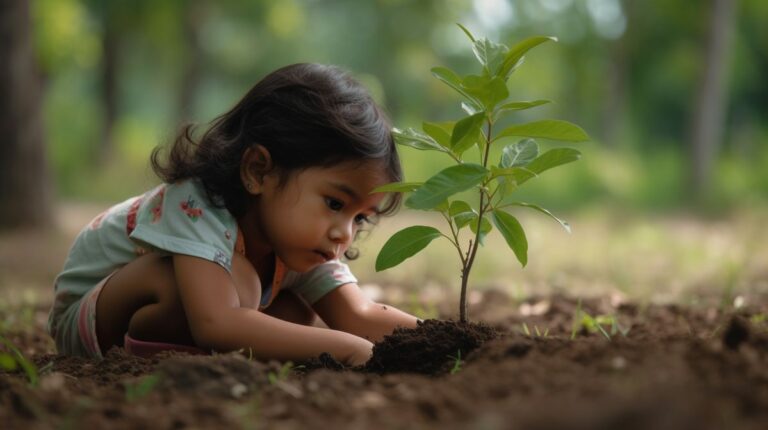
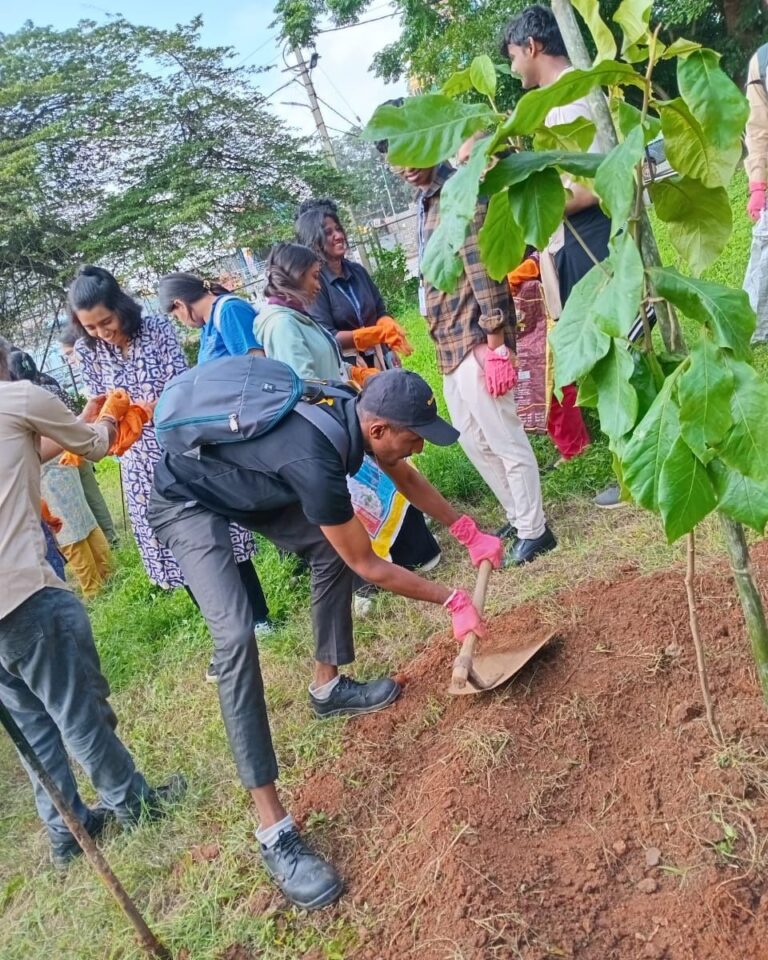
– Rural community tree planting initiatives
– Livelihood improvement through tree planting
– Rural afforestation programs
– Tree-based rural income generation projects
By incorporating these activities, the Rural Livelihood Support Tree Plantation Program helps rural areas become greener, more productive, and economically stable.
Unlike general tree planting campaigns, this program focuses on trees that provide income, such as
– Fruit trees (mango, guava, tamarind, jackfruit)
– Timber trees (teak, eucalyptus, neem)
– Medicinal trees (moringa, amla, neem)
– Agroforestry species (subabul, sesbania, bamboo)
These trees serve as long-term assets for rural families.
Why the Rural Livelihood Support Tree Plantation Program Is Important
Rural India is currently facing several challenges:
– Decreasing agricultural income
– Impact of climate change
– Soil erosion and poor fertility
– Water scarcity
– Limited job opportunities
– Increasing migration to cities
However, the Rural Livelihood Support Tree Plantation Program offers strong, positive solutions:
– Creates long-term income opportunities
– Restores environmental balance
– Builds climate-resilient farming systems
– Enhances soil health and water retention
– Reduces rural poverty
– Empowers rural communities
– Promotes sustainable development
This clear distinction shows why rural communities need programs like the Rural Livelihood Support Tree Plantation Program.
Tree Plantation for Rural Livelihood Development
Tree plantation for rural livelihood development is a key part of this program.
Trees support rural communities in various ways:
– Fruits can be sold in the market
– Timber becomes a future asset
– Medicinal leaves and seeds generate income
– Agroforestry trees provide fodder for livestock
– Trees increase agricultural productivity
By combining plantation with income generation, the Rural Livelihood Support Tree Plantation Program offers rural families financial stability and long-term security.
Rural Community Tree Plantation Initiatives—Building Green & Strong Communities
The heart of the program lies in rural community tree plantation initiatives.
When communities plant trees together, they:
– Build unity
– Share knowledge
– Support environmental protection
– Create a culture of sustainability
These community-driven initiatives make the Rural Livelihood Support Tree Plantation Program more successful and sustainable.
Livelihood Enhancement Through Tree Plantation
Improving livelihood through tree plantation means using trees to increase income and improve the quality of life.
This includes:
– Selling fruits, nuts, and leaves
– Generating income from timber
– Producing bamboo products
– Increasing fodder availability
– Supporting honeybee farming under trees
Farmers continue to benefit as trees grow older, stronger, and more productive.
Rural Afforestation Programs—Restoring Green & Productive Land
Many rural areas suffer from barren land, soil erosion, and low fertility.
Rural afforestation programs restore such lands with fast-growing and income-generating trees. These programs:
– Increase rainfall
– Improve soil quality
– Reduce floods and droughts
– Support wildlife
– Create greener landscapes
Afforestation becomes a natural tool for rural development and environmental protection.
Tree-Based Rural Income Generation Projects
Tree-based rural income generation projects ensure that every tree planted becomes a source of livelihood.
Rural families earn through:
– Seasonal fruits
– Timber
– Bamboo farming
– Leaf-based products
– Fodder for animals
– Seeds and herbs for medicine
This makes the Rural Livelihood Support Tree Plantation Program a powerful tool to combat rural poverty.
Agroforestry for Rural Livelihood Support
Agroforestry for rural livelihood support combines agriculture with trees to make farms more productive and climate resilient.
Benefits include:
– Higher crop yields
– Protection from heat and wind
– Better soil fertility
– Additional income from trees
– Reduced risk of crop failure
Agroforestry is a scientific method widely used in the Rural Livelihood Support Tree Plantation Program.
Rural Environmental Sustainability Programs
The program also strengthens rural environmental sustainability programs by promoting:
– Soil conservation
– Water harvesting
– Biodiversity protection
– Eco-friendly farming
– Waste-free rural environments
Trees make rural areas healthier, greener, and more resilient to climate change.
Tree Plantation for Rural Economic Growth
Tree plantation for rural economic growth means using trees as a strategy to improve the overall rural economy.
When tree-based industries grow, they create:
– Local employment
– Small-scale businesses
– New market opportunities
– Value-added product industries
This helps create a strong, sustainable rural economy for future generations.
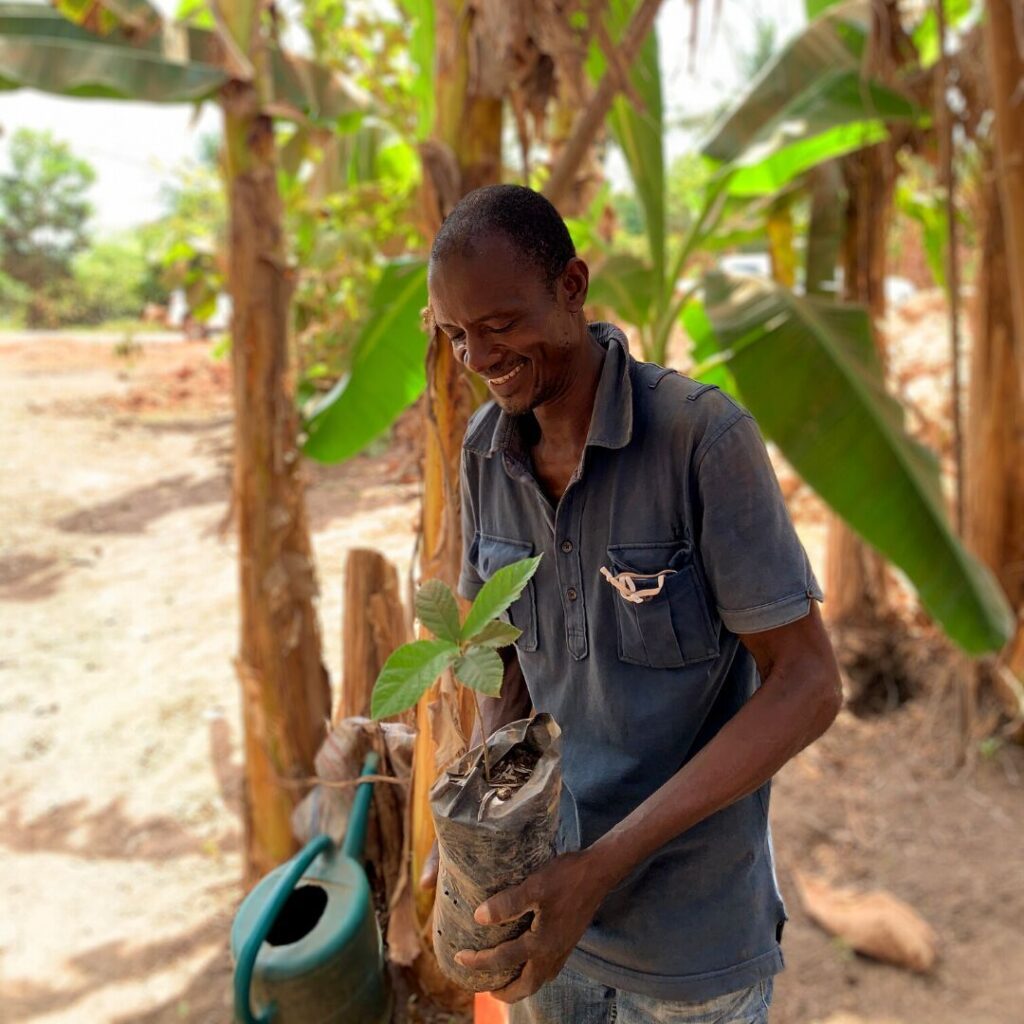
Rural Farmer Support Tree Plantation Schemes
The Rural Livelihood Support Tree Plantation Program also includes rural farmer support tree plantation schemes such as:
– Free sapling distribution
– Training programs
– Subsidy for agroforestry
– Tools and equipment support
– Market linkage for tree-based products
These schemes make plantation easier and more profitable for farmers.
Community-Led Rural Tree Plantation Activities
The program encourages community-led rural tree plantation activities, where villagers make their own decisions about:
– What trees to plant
– Where to plant them
– How to maintain them
– Who will take care of them
Such community ownership ensures higher tree survival rates and stronger local participation.
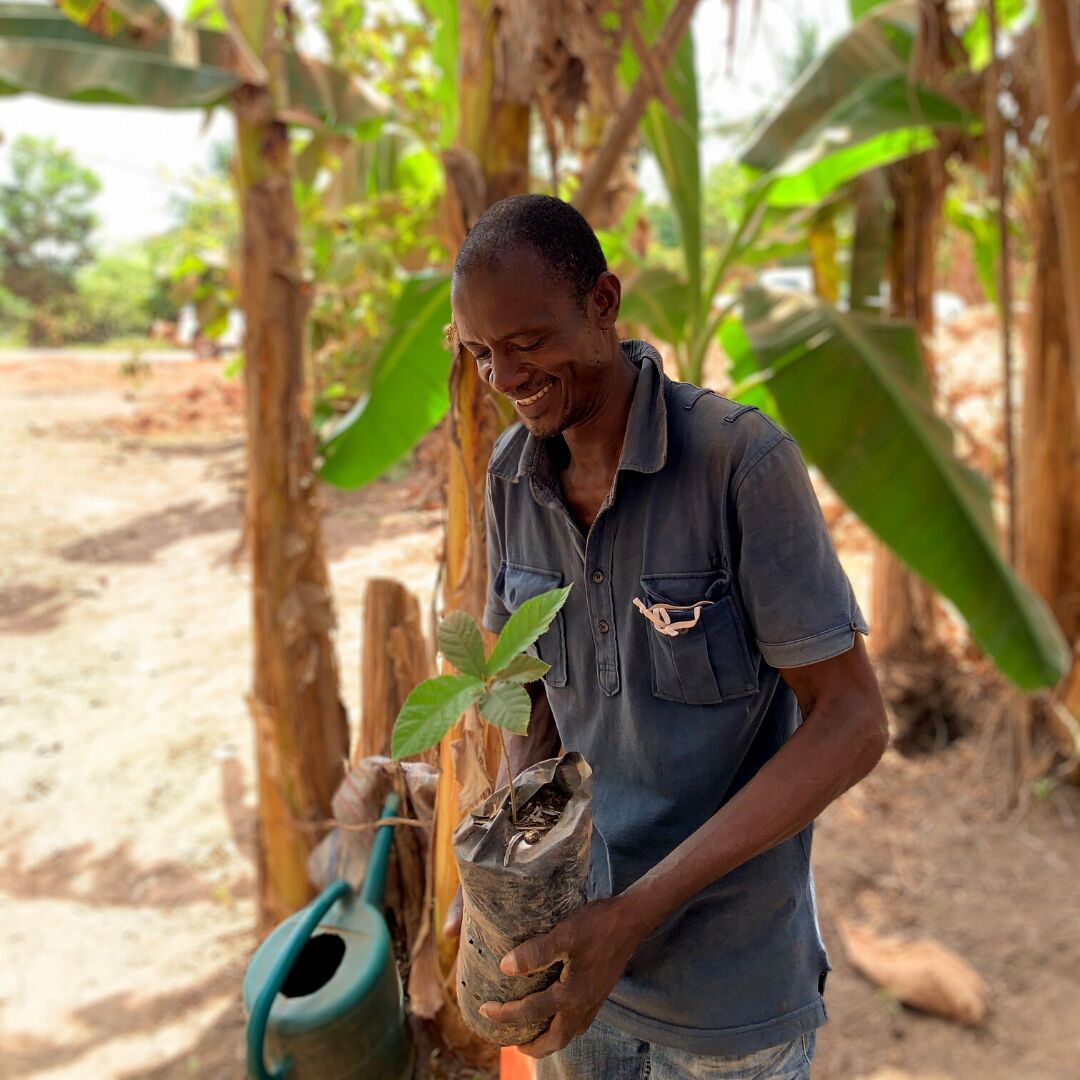
Villagers and farmers directly participate in planting and maintaining trees.
Agriculture experts, NGOs, and forestry specialists guide the selection and planting of trees.
Local institutions, community groups, and trained volunteers ensure transparency and long-term care.
The program is supported by environmental authorities.